H H D
What Is Molded Hook? A Complete Guide to Injection Hook for Hook and Loop Fasteners
2024-08-06
 |
 |
Introduction
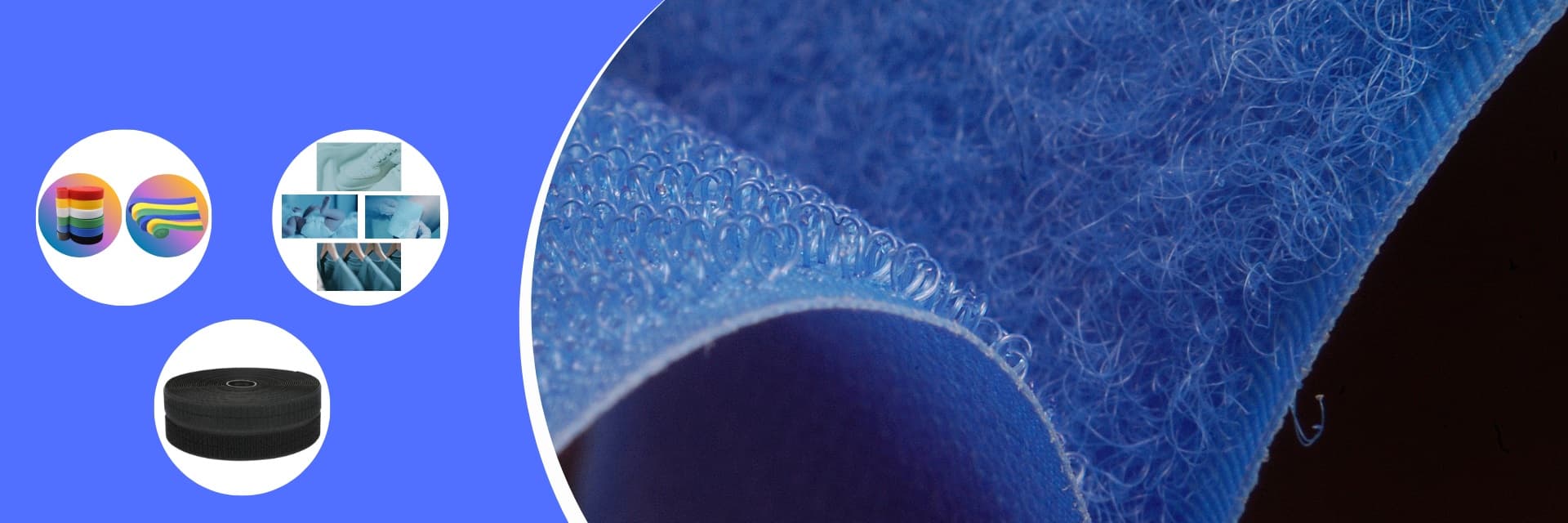
In modern hook and loop fastening systems, molded hook (injection hook) has become an important solution for applications requiring stable engagement, precise structure, and long-term durability.
Unlike traditional woven hook tapes manufactured by textile processes, molded hooks are produced through a precision plastic injection process. This allows manufacturers to create highly consistent hook structures with controlled dimensions, density, and performance.
Due to their excellent fastening strength, lightweight design, and reliable repeated-use performance, molded hooks are widely used in industries such as:
▪ Baby hygiene products
▪ Medical devices
▪ Apparel and footwear
▪ Automotive interiors
▪ Industrial fastening systems
As a professional injection hook manufacturer, we provide customized plastic hook solutions with different materials, structures, colors, and specifications to meet various application requirements.
1. Product Overview: Molded Hook / Injection Hook
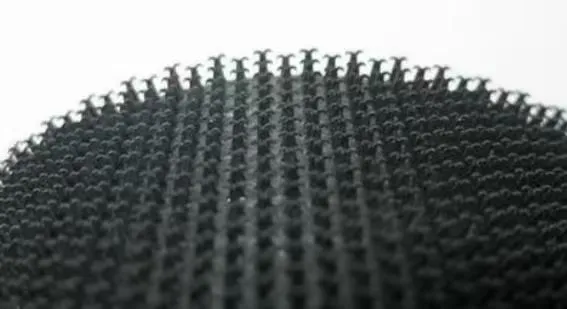
A molded hook is a plastic hook component manufactured through injection molding technology and designed to connect with loop materials in hook and loop fastening systems.
The structure mainly includes:
▪ Plastic backing layer
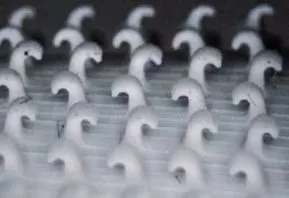
▪ Precision-formed hook elements
▪ Customized surface patterns for loop engagement
During use, the molded hooks penetrate and engage with the loop fibers, creating a secure fastening connection that can be repeatedly opened and closed.
Compared with traditional textile hook products, injection hooks offer:
▪ More precise hook geometry
▪ Better structure consistency
▪ Stable fastening performance
▪ Flexible design possibilities
They are especially suitable for applications where product reliability and manufacturing consistency are critical.
2. How Are Injection Hooks Manufactured?
The production of injection hooks mainly includes several important processes.
2.1 Material Selection
The choice of plastic material directly affects hook performance.
Common materials include:
Polypropylene (PP)
Advantages:
▪ Lightweight structure
▪ Good flexibility
▪ Cost-effective performance
▪ Suitable for many disposable and general applications
Nylon (PA)
Advantages:
▪ Higher mechanical strength
▪ Better wear resistance
▪ Improved durability
▪ Suitable for demanding applications
Engineering Plastics
For special applications, customized engineering materials can be selected according to requirements such as:
▪ Higher temperature resistance
▪ Chemical resistance
▪ Increased strength
2.2 Precision Injection Molding Process
During manufacturing, plastic materials are heated and injected into specially designed molds.
The mold determines important product characteristics, including:
▪ Hook shape
▪ Hook height
▪ Hook density
▪ Hook arrangement
▪ Base structure
Precision molding technology allows each batch to maintain consistent hook dimensions and reliable fastening performance.
2.3 Quality Inspection
Before delivery, molded hook products are inspected according to customer requirements.
Inspection items may include:
▪ Hook appearance
▪ Structural consistency
▪ Hook engagement performance
▪ Peel strength
▪ Tensile strength
▪ Repeated opening and closing performance
Strict quality control ensures stable product performance during practical applications.
3. Key Advantages of Molded Hook
3.1 Precise and Consistent Hook Structure
One of the biggest advantages of injection hooks is the accuracy of the molded structure.
Compared with textile-based hooks, molded hooks provide:
▪ Uniform hook shape
▪ Stable dimensions
▪ Controlled hook density
▪ Consistent production quality
This makes them suitable for products requiring reliable fastening performance.
3.2 Strong and Stable Fastening Performance
The specially designed hook structure provides secure engagement with loop materials.
Main advantages include:
▪ Stable holding force
▪ Reliable fastening
▪ Good repeated-use capability
This makes molded hooks suitable for products requiring frequent adjustment and opening/closing cycles.
3.3 Lightweight Plastic Construction
Molded hooks are manufactured from lightweight plastic materials.
Compared with metal fastening systems, they offer:
▪ Lower product weight
▪ Comfortable usage
▪ Flexible product design
This is especially valuable for wearable and portable products.
3.4 Customizable Product Design
Injection molding technology allows flexible customization.
Customers can select:
▪ Hook shape
▪ Hook height
▪ Material type
▪ Product width
▪ Color options
▪ Backing structure
Customized designs help manufacturers achieve better performance for specific applications.
4. Molded Hook vs Traditional Textile Hook
| Feature | Molded Hook | Textile Hook |
|---|---|---|
| Manufacturing Method | Injection molding | Textile weaving process |
| Hook Structure | Precision plastic structure | Fiber-based structure |
| Shape Consistency | Excellent | Depends on weaving process |
| Design Flexibility | High | Limited |
| Weight | Lightweight | Flexible textile structure |
| Special Structure Development | Easier | More difficult |
Molded hooks are preferred when customers require precise hook design, stable quality, and specialized performance.
5. Applications of Molded Hook
5.1 Baby Hygiene Products
One of the largest application areas for injection hooks is the hygiene industry.
Common applications include:
▪ Baby diapers
▪ Adult care products
▪ Disposable hygiene products
Advantages:
▪ Lightweight
▪ Reliable fastening
▪ Comfortable wearing experience
▪ Suitable for high-volume production
5.2 Medical Products
Medical products require fastening systems that are secure, adjustable, and comfortable.
Applications include:
▪ Medical support straps
▪ Orthopedic products
▪ Healthcare equipment
Benefits:
▪ Easy adjustment
▪ Stable fastening
▪ Long service life
5.3 Apparel and Footwear
Molded hooks are increasingly used in functional textile products.
Applications include:
▪ Sportswear
▪ Protective clothing
▪ Performance footwear
▪ Functional garments
Their lightweight structure and consistent performance make them suitable for modern textile design.
5.4 Automotive Applications
Automotive manufacturers use molded hook systems in areas requiring reliable attachment.
Applications include:
▪ Interior components
▪ Seat accessories
▪ Cable management
▪ Storage solutions
5.5 Industrial Applications
For industrial applications, molded hooks provide durable fastening solutions.
Typical uses include:
▪ Equipment covers
▪ Protective components
▪ Industrial fastening systems
6. Molded Hook vs Mushroom Hook
Both molded hook and mushroom hook are plastic fastening structures.
Molded Hook
Features:
▪ Precision hook design
▪ Balanced holding strength
▪ Suitable for various fastening applications
Mushroom Hook
Features:
▪ Rounded mushroom-shaped heads
▪ Higher engagement force
▪ Often used where stronger locking performance is required
The suitable choice depends on:
▪ Required holding strength
▪ Application environment
▪ Product design requirements
7. How to Select the Right Injection Hook?
When selecting molded hook products, customers should consider:
Application Requirements
Different industries have different priorities.
For example:
Baby products:
▪ Softness
▪ Lightweight structure
▪ Comfort
Industrial applications:
▪ Strength
▪ Durability
▪ Long-term stability
Material Selection
Material choice affects:
▪ Hook strength
▪ Flexibility
▪ Temperature performance
▪ Chemical resistance
Hook Structure Design
Different structures influence:
▪ Holding force
▪ Peel strength
▪ Repeated-use performance
A professional manufacturer can recommend suitable designs according to the final application.
8. Why Choose Our Injection Hook Solutions?
As an experienced injection hook manufacturer, we provide:
▪ Customized molded hook structures
▪ Multiple material options
▪ Different colors and specifications
▪ Product development support
▪ Stable production capability
▪ Technical assistance
We work with customers to develop suitable hook solutions for different industries, from hygiene products to industrial fastening applications.
Conclusion
Molded hook (injection hook) is an advanced fastening component that provides precise structure, stable performance, and flexible customization for modern hook and loop systems.
Compared with traditional textile hooks, molded hooks offer advantages in:
▪ Structural consistency
▪ Design flexibility
▪ Production stability
▪ Application adaptability
With professional manufacturing capability and technical experience, we help customers develop reliable injection hook solutions for various industries worldwide.
Contact us for customized molded hook solutions according to your application requirements.
|
|
Introduction
In modern hook and loop fastening systems, molded hook (injection hook) has become an important solution for applications requiring stable engagement, precise structure, and long-term durability.
Unlike traditional woven hook tapes manufactured by textile processes, molded hooks are produced through a precision plastic injection process. This allows manufacturers to create highly consistent hook structures with controlled dimensions, density, and performance.
Due to their excellent fastening strength, lightweight design, and reliable repeated-use performance, molded hooks are widely used in industries such as:
▪ Baby hygiene products
▪ Medical devices
▪ Apparel and footwear
▪ Automotive interiors
▪ Industrial fastening systems
As a professional injection hook manufacturer, we provide customized plastic hook solutions with different materials, structures, colors, and specifications to meet various application requirements.
1. Product Overview: Molded Hook / Injection Hook
A molded hook is a plastic hook component manufactured through injection molding technology and designed to connect with loop materials in hook and loop fastening systems.
The structure mainly includes:
▪ Plastic backing layer
▪ Precision-formed hook elements
▪ Customized surface patterns for loop engagement
During use, the molded hooks penetrate and engage with the loop fibers, creating a secure fastening connection that can be repeatedly opened and closed.
Compared with traditional textile hook products, injection hooks offer:
▪ More precise hook geometry
▪ Better structure consistency
▪ Stable fastening performance
▪ Flexible design possibilities
They are especially suitable for applications where product reliability and manufacturing consistency are critical.
2. How Are Injection Hooks Manufactured?
The production of injection hooks mainly includes several important processes.
2.1 Material Selection
The choice of plastic material directly affects hook performance.
Common materials include:
Polypropylene (PP)
Advantages:
▪ Lightweight structure
▪ Good flexibility
▪ Cost-effective performance
▪ Suitable for many disposable and general applications
Nylon (PA)
Advantages:
▪ Higher mechanical strength
▪ Better wear resistance
▪ Improved durability
▪ Suitable for demanding applications
Engineering Plastics
For special applications, customized engineering materials can be selected according to requirements such as:
▪ Higher temperature resistance
▪ Chemical resistance
▪ Increased strength
2.2 Precision Injection Molding Process
During manufacturing, plastic materials are heated and injected into specially designed molds.
The mold determines important product characteristics, including:
▪ Hook shape
▪ Hook height
▪ Hook density
▪ Hook arrangement
▪ Base structure
Precision molding technology allows each batch to maintain consistent hook dimensions and reliable fastening performance.
2.3 Quality Inspection
Before delivery, molded hook products are inspected according to customer requirements.
Inspection items may include:
▪ Hook appearance
▪ Structural consistency
▪ Hook engagement performance
▪ Peel strength
▪ Tensile strength
▪ Repeated opening and closing performance
Strict quality control ensures stable product performance during practical applications.
3. Key Advantages of Molded Hook
3.1 Precise and Consistent Hook Structure
One of the biggest advantages of injection hooks is the accuracy of the molded structure.
Compared with textile-based hooks, molded hooks provide:
▪ Uniform hook shape
▪ Stable dimensions
▪ Controlled hook density
▪ Consistent production quality
This makes them suitable for products requiring reliable fastening performance.
3.2 Strong and Stable Fastening Performance
The specially designed hook structure provides secure engagement with loop materials.
Main advantages include:
▪ Stable holding force
▪ Reliable fastening
▪ Good repeated-use capability
This makes molded hooks suitable for products requiring frequent adjustment and opening/closing cycles.
3.3 Lightweight Plastic Construction
Molded hooks are manufactured from lightweight plastic materials.
Compared with metal fastening systems, they offer:
▪ Lower product weight
▪ Comfortable usage
▪ Flexible product design
This is especially valuable for wearable and portable products.
3.4 Customizable Product Design
Injection molding technology allows flexible customization.
Customers can select:
▪ Hook shape
▪ Hook height
▪ Material type
▪ Product width
▪ Color options
▪ Backing structure
Customized designs help manufacturers achieve better performance for specific applications.
4. Molded Hook vs Traditional Textile Hook
| Feature | Molded Hook | Textile Hook |
|---|---|---|
| Manufacturing Method | Injection molding | Textile weaving process |
| Hook Structure | Precision plastic structure | Fiber-based structure |
| Shape Consistency | Excellent | Depends on weaving process |
| Design Flexibility | High | Limited |
| Weight | Lightweight | Flexible textile structure |
| Special Structure Development | Easier | More difficult |
Molded hooks are preferred when customers require precise hook design, stable quality, and specialized performance.
5. Applications of Molded Hook
5.1 Baby Hygiene Products
One of the largest application areas for injection hooks is the hygiene industry.
Common applications include:
▪ Baby diapers
▪ Adult care products
▪ Disposable hygiene products
Advantages:
▪ Lightweight
▪ Reliable fastening
▪ Comfortable wearing experience
▪ Suitable for high-volume production
5.2 Medical Products
Medical products require fastening systems that are secure, adjustable, and comfortable.
Applications include:
▪ Medical support straps
▪ Orthopedic products
▪ Healthcare equipment
Benefits:
▪ Easy adjustment
▪ Stable fastening
▪ Long service life
5.3 Apparel and Footwear
Molded hooks are increasingly used in functional textile products.
Applications include:
▪ Sportswear
▪ Protective clothing
▪ Performance footwear
▪ Functional garments
Their lightweight structure and consistent performance make them suitable for modern textile design.
5.4 Automotive Applications
Automotive manufacturers use molded hook systems in areas requiring reliable attachment.
Applications include:
▪ Interior components
▪ Seat accessories
▪ Cable management
▪ Storage solutions
5.5 Industrial Applications
For industrial applications, molded hooks provide durable fastening solutions.
Typical uses include:
▪ Equipment covers
▪ Protective components
▪ Industrial fastening systems
6. Molded Hook vs Mushroom Hook
Both molded hook and mushroom hook are plastic fastening structures.
Molded Hook
Features:
▪ Precision hook design
▪ Balanced holding strength
▪ Suitable for various fastening applications
Mushroom Hook
Features:
▪ Rounded mushroom-shaped heads
▪ Higher engagement force
▪ Often used where stronger locking performance is required
The suitable choice depends on:
▪ Required holding strength
▪ Application environment
▪ Product design requirements
7. How to Select the Right Injection Hook?
When selecting molded hook products, customers should consider:
Application Requirements
Different industries have different priorities.
For example:
Baby products:
▪ Softness
▪ Lightweight structure
▪ Comfort
Industrial applications:
▪ Strength
▪ Durability
▪ Long-term stability
Material Selection
Material choice affects:
▪ Hook strength
▪ Flexibility
▪ Temperature performance
▪ Chemical resistance
Hook Structure Design
Different structures influence:
▪ Holding force
▪ Peel strength
▪ Repeated-use performance
A professional manufacturer can recommend suitable designs according to the final application.
8. Why Choose Our Injection Hook Solutions?
As an experienced injection hook manufacturer, we provide:
▪ Customized molded hook structures
▪ Multiple material options
▪ Different colors and specifications
▪ Product development support
▪ Stable production capability
▪ Technical assistance
We work with customers to develop suitable hook solutions for different industries, from hygiene products to industrial fastening applications.
Conclusion
Molded hook (injection hook) is an advanced fastening component that provides precise structure, stable performance, and flexible customization for modern hook and loop systems.
Compared with traditional textile hooks, molded hooks offer advantages in:
▪ Structural consistency
▪ Design flexibility
▪ Production stability
▪ Application adaptability
With professional manufacturing capability and technical experience, we help customers develop reliable injection hook solutions for various industries worldwide.
Contact us for customized molded hook solutions according to your application requirements.
The Right Hook And Loop Solution. Endless Possibilities.
Stay Connected
Copyright © 2026 Shenzhen Huiyu Hengtong Development Co.,Ltd