H H D
How Is Hook Tape Woven? The Role of Webbing Machines in Hook and Loop Production
2025-02-09
Introduction
Hook tape is one of the most important components of hook and loop fasteners. Although the final product appears simple, the manufacturing process behind hook tape involves precise weaving technology, specialized machinery, and strict production control.
The quality of hook tape directly affects important performance factors such as fastening strength, durability, appearance, and repeated opening and closing performance.
A professional hook tape production process requires advanced webbing machines, also known as hook and loop needle looms, to create the basic woven structure before further processing such as hook cutting, dyeing, and finishing.
This article will explain how hook tape is woven and how webbing machines play a critical role in hook and loop manufacturing.
1. What Is Hook Tape?
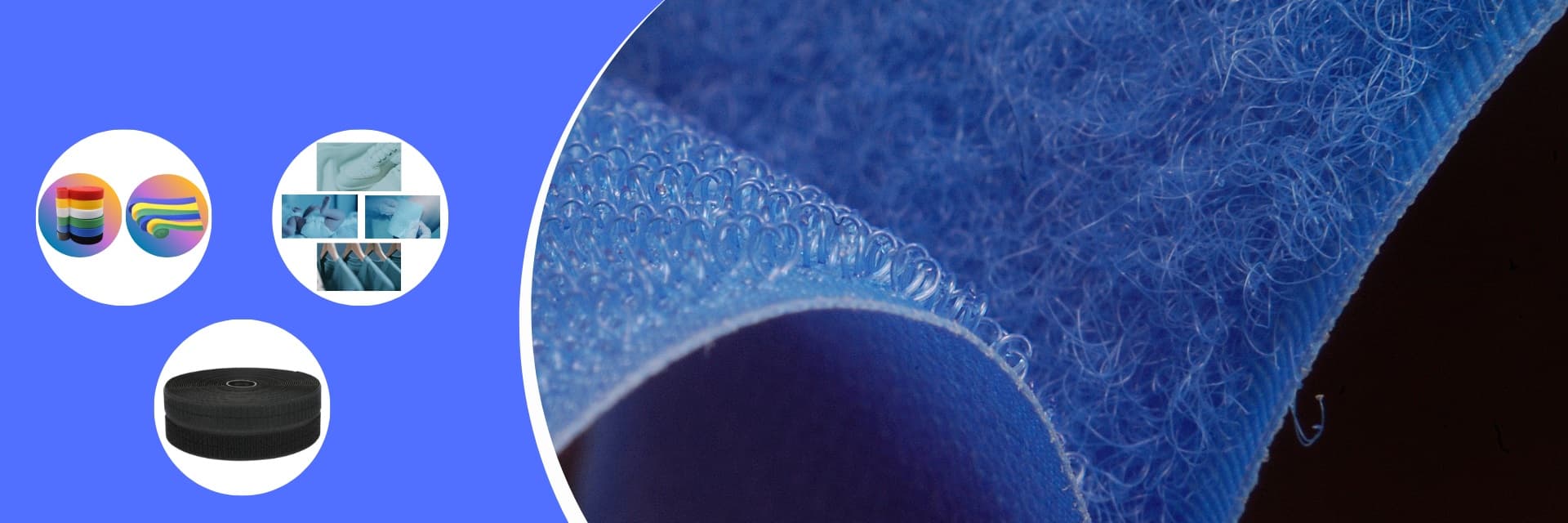
Hook tape is the hook side of a hook and loop fastening system. Unlike loop tape, which has a soft fiber surface, hook tape contains thousands of small hooks designed to engage with the loops and create a secure fastening connection.
The performance of hook tape depends on several factors:
▪ Hook density
▪ Hook height
▪ Tape thickness
▪ Yarn quality
▪ Weaving structure
▪ Hook formation process
A well-produced hook tape provides stable fastening performance while maintaining flexibility and long service life.
2. How Is Hook Tape Woven?
The production of hook tape begins with yarn preparation and weaving.
The main production steps include:
2.1 Yarn Preparation
Before weaving, polyester or nylon yarns are prepared according to the required product specifications.
The yarn preparation process ensures:
▪ Consistent yarn quality
▪ Stable tension
▪ Uniform arrangement
Proper yarn preparation is important because any variation can affect the final tape structure and performance.
2.2 Warping Process
The prepared yarns are arranged through a warping machine and wound onto warp beams.
The warping process creates an organized yarn arrangement for the weaving stage.
It helps maintain:
▪ Accurate yarn positioning
▪ Stable production speed
▪ Consistent tape width
▪ Improved weaving efficiency
A stable warping process is the foundation for producing high-quality hook tape.
2.3 Weaving with Hook and Loop Webbing Machine
The webbing machine is the core equipment used to produce hook tape.
During the weaving process, the machine interlaces warp and weft yarns to create the basic tape structure.
For hook tape production, the machine must accurately control:
▪ Yarn feeding
▪ Weaving density
▪ Tape tension
▪ Surface structure
▪ Production speed
Different machine settings can produce hook tapes with different specifications, including:
▪ Standard hook tape
▪ Low-profile hook tape
▪ High-density hook tape
▪ Industrial hook tape
The precision of the webbing machine directly influences the quality and consistency of the final product.
3. The Role of Webbing Machines in Hook Tape Production
A hook and loop webbing machine is more than a simple weaving machine. It determines the basic structure and quality of the hook tape.
Its main functions include:
3.1 Creating a Stable Tape Structure
The webbing machine forms the foundation of the hook tape by controlling yarn arrangement and weaving density.
A stable structure ensures:
▪ Good tensile strength
▪ Uniform appearance
▪ Reliable processing performance
3.2 Controlling Tape Specifications
Different applications require different hook tape specifications.
The webbing machine allows manufacturers to adjust:
▪ Tape width
▪ Thickness
▪ Yarn density
▪ Product structure
This makes it possible to produce customized hook tape according to customer requirements.
3.3 Improving Production Efficiency
Modern hook and loop webbing machines improve production efficiency through:
▪ Stable operation
▪ Higher production speed
▪ Reduced material waste
▪ Consistent quality
For manufacturers producing large quantities of hook tape, reliable machinery is essential for controlling production costs and delivery time.
4. What Happens After Hook Tape Weaving?
Weaving is only the first stage of hook tape production.
After leaving the webbing machine, the woven tape requires additional processing.
The typical production process includes:
Hook Cutting Process
The woven fiber structure is processed into individual hooks.
This creates the fastening surface that allows the hook tape to connect with loop tape.
Dyeing Process
The tape is dyed according to customer requirements to achieve different colors and appearance.
Finishing Process
Additional treatments may be applied depending on application requirements, such as:
▪ Softening
▪ Coating
▪ Adhesive backing
▪ Special functional treatment
Cutting and Packaging
The finished hook tape is cut into required widths and lengths before shipment.
5. Factors Affecting Hook Tape Quality
Several factors determine the final performance of hook tape.
Yarn Selection
High-quality nylon or polyester yarns provide better strength, durability, and appearance.
Weaving Accuracy
Precise weaving ensures stable dimensions and consistent product quality.
Machine Performance
A high-performance webbing machine provides better control over:
▪ Production stability
▪ Tape uniformity
▪ Manufacturing efficiency
Processing Technology
Hook cutting, dyeing, and finishing processes also influence fastening strength and product lifespan.
6. Different Applications Require Different Hook Tape Designs
Hook tape is used in many industries, and each application may require different characteristics.
Apparel and Footwear
Requirements:
▪ Soft hand feel
▪ Comfortable operation
▪ Reliable fastening
Medical Products
Requirements:
▪ Softness
▪ Skin-friendly performance
▪ Repeated use durability
Industrial Applications
Requirements:
▪ Higher strength
▪ Longer service life
▪ Stable performance
Special Applications
Some industries require functional hook tape, such as:
▪ Flame-resistant hook tape
▪ High-temperature hook tape
▪ Anti-static hook tape
Different applications require manufacturers to adjust materials, weaving structures, and production processes.
Conclusion
The production of hook tape involves much more than simple weaving. From yarn preparation and warping to precision weaving, hook formation, dyeing, and finishing, every stage affects the final product quality.
The webbing machine plays a key role in hook tape manufacturing by creating the basic tape structure, controlling product specifications, and ensuring stable production efficiency.
For manufacturers planning to produce hook and loop fasteners, selecting suitable production equipment and optimizing the manufacturing process are essential steps toward achieving reliable quality and competitive production capability.
With continuous development in textile technology, advanced hook and loop webbing machines will continue helping manufacturers produce more customized and high-performance fastening solutions for global markets.
Introduction
Hook tape is one of the most important components of hook and loop fasteners. Although the final product appears simple, the manufacturing process behind hook tape involves precise weaving technology, specialized machinery, and strict production control.
The quality of hook tape directly affects important performance factors such as fastening strength, durability, appearance, and repeated opening and closing performance.
A professional hook tape production process requires advanced webbing machines, also known as hook and loop needle looms, to create the basic woven structure before further processing such as hook cutting, dyeing, and finishing.
This article will explain how hook tape is woven and how webbing machines play a critical role in hook and loop manufacturing.
1. What Is Hook Tape?
Hook tape is the hook side of a hook and loop fastening system. Unlike loop tape, which has a soft fiber surface, hook tape contains thousands of small hooks designed to engage with the loops and create a secure fastening connection.
The performance of hook tape depends on several factors:
▪ Hook density
▪ Hook height
▪ Tape thickness
▪ Yarn quality
▪ Weaving structure
▪ Hook formation process
A well-produced hook tape provides stable fastening performance while maintaining flexibility and long service life.
2. How Is Hook Tape Woven?
The production of hook tape begins with yarn preparation and weaving.
The main production steps include:
2.1 Yarn Preparation
Before weaving, polyester or nylon yarns are prepared according to the required product specifications.
The yarn preparation process ensures:
▪ Consistent yarn quality
▪ Stable tension
▪ Uniform arrangement
Proper yarn preparation is important because any variation can affect the final tape structure and performance.
2.2 Warping Process
The prepared yarns are arranged through a warping machine and wound onto warp beams.
The warping process creates an organized yarn arrangement for the weaving stage.
It helps maintain:
▪ Accurate yarn positioning
▪ Stable production speed
▪ Consistent tape width
▪ Improved weaving efficiency
A stable warping process is the foundation for producing high-quality hook tape.
2.3 Weaving with Hook and Loop Webbing Machine
The webbing machine is the core equipment used to produce hook tape.
During the weaving process, the machine interlaces warp and weft yarns to create the basic tape structure.
For hook tape production, the machine must accurately control:
▪ Yarn feeding
▪ Weaving density
▪ Tape tension
▪ Surface structure
▪ Production speed
Different machine settings can produce hook tapes with different specifications, including:
▪ Standard hook tape
▪ Low-profile hook tape
▪ High-density hook tape
▪ Industrial hook tape
The precision of the webbing machine directly influences the quality and consistency of the final product.
3. The Role of Webbing Machines in Hook Tape Production
A hook and loop webbing machine is more than a simple weaving machine. It determines the basic structure and quality of the hook tape.
Its main functions include:
3.1 Creating a Stable Tape Structure
The webbing machine forms the foundation of the hook tape by controlling yarn arrangement and weaving density.
A stable structure ensures:
▪ Good tensile strength
▪ Uniform appearance
▪ Reliable processing performance
3.2 Controlling Tape Specifications
Different applications require different hook tape specifications.
The webbing machine allows manufacturers to adjust:
▪ Tape width
▪ Thickness
▪ Yarn density
▪ Product structure
This makes it possible to produce customized hook tape according to customer requirements.
3.3 Improving Production Efficiency
Modern hook and loop webbing machines improve production efficiency through:
▪ Stable operation
▪ Higher production speed
▪ Reduced material waste
▪ Consistent quality
For manufacturers producing large quantities of hook tape, reliable machinery is essential for controlling production costs and delivery time.
4. What Happens After Hook Tape Weaving?
Weaving is only the first stage of hook tape production.
After leaving the webbing machine, the woven tape requires additional processing.
The typical production process includes:
Hook Cutting Process
The woven fiber structure is processed into individual hooks.
This creates the fastening surface that allows the hook tape to connect with loop tape.
Dyeing Process
The tape is dyed according to customer requirements to achieve different colors and appearance.
Finishing Process
Additional treatments may be applied depending on application requirements, such as:
▪ Softening
▪ Coating
▪ Adhesive backing
▪ Special functional treatment
Cutting and Packaging
The finished hook tape is cut into required widths and lengths before shipment.
5. Factors Affecting Hook Tape Quality
Several factors determine the final performance of hook tape.
Yarn Selection
High-quality nylon or polyester yarns provide better strength, durability, and appearance.
Weaving Accuracy
Precise weaving ensures stable dimensions and consistent product quality.
Machine Performance
A high-performance webbing machine provides better control over:
▪ Production stability
▪ Tape uniformity
▪ Manufacturing efficiency
Processing Technology
Hook cutting, dyeing, and finishing processes also influence fastening strength and product lifespan.
6. Different Applications Require Different Hook Tape Designs
Hook tape is used in many industries, and each application may require different characteristics.
Apparel and Footwear
Requirements:
▪ Soft hand feel
▪ Comfortable operation
▪ Reliable fastening
Medical Products
Requirements:
▪ Softness
▪ Skin-friendly performance
▪ Repeated use durability
Industrial Applications
Requirements:
▪ Higher strength
▪ Longer service life
▪ Stable performance
Special Applications
Some industries require functional hook tape, such as:
▪ Flame-resistant hook tape
▪ High-temperature hook tape
▪ Anti-static hook tape
Different applications require manufacturers to adjust materials, weaving structures, and production processes.
Conclusion
The production of hook tape involves much more than simple weaving. From yarn preparation and warping to precision weaving, hook formation, dyeing, and finishing, every stage affects the final product quality.
The webbing machine plays a key role in hook tape manufacturing by creating the basic tape structure, controlling product specifications, and ensuring stable production efficiency.
For manufacturers planning to produce hook and loop fasteners, selecting suitable production equipment and optimizing the manufacturing process are essential steps toward achieving reliable quality and competitive production capability.
With continuous development in textile technology, advanced hook and loop webbing machines will continue helping manufacturers produce more customized and high-performance fastening solutions for global markets.
The Right Hook And Loop Solution. Endless Possibilities.
Stay Connected
Copyright © 2026 Shenzhen Huiyu Hengtong Development Co.,Ltd